Education
Education is the foundation upon which prosperous societies are built. At the Northern Nigeria Development Commission (NNEDC), we believe that every individual in Jigawa, Kaduna, Kano, Katsina, Kebbi, Sokoto, and Zamfara states deserves access to quality education, regardless of their background or location. We are committed to bridging the educational gaps and empowering the people of Northwest Nigeria to reach their full potential.
Unlocking Northwest Nigeria's Potential through Education
Our Mission and Vision
The NNEDC is committed to creating a vibrant and inclusive education ecosystem that empowers individuals, fosters innovation, and unlocks opportunities for socio-economic growth across the Northern Nigeria. We are dedicated to ensuring every child in this region has access to quality education, unlocking their potential and laying the foundation for long-term prosperity.
Our mission is guided by the following goals:
Improve access to quality education for all students in Northern Nigeria
Enhance the quality of teaching and learning in schools across the region
Increase the number of students pursuing higher education and vocational training
Foster partnerships between educational institutions, industry, and government to promote skills development and job creation
Key Challenges and Opportunities
The education sector in Northern Nigeria faces numerous challenges, including:
1. Limited access to quality education, particularly in rural areas
2. Inadequate infrastructure, including classrooms, libraries, and technology facilities
3. Shortage of qualified teachers, particularly in subjects like mathematics, science, and technology
4. Limited opportunities for vocational training and skills development
Despite these challenges, there are significant opportunities for growth and development, including:
1. Growing demand for skilled workers in industries like technology, healthcare, and finance
2. Emerging opportunities for online and distance learning
3. Potential for partnerships between educational institutions, industry, and government to promote skills development and job creation
Key Focus Areas in Education Development
1. Improving Education Infrastructure and Access:
- Renovating and equipping existing schools
- Building new schools in underserved areas
- Providing modern learning materials and infrastructure
- Supporting programs to reduce out-of-school children, especially girls
2. Teacher Development and Capacity Building:
- Professional development programs for educators
- Workshops on modern teaching methods and digital literacy
- Incentives to attract and retain top teaching talent
3. Promoting STEM Education and Digital Literacy:
- Establishing STEM-focused training centers
- Partnering with tech companies for coding, robotics, and AI workshops
- Developing localized e-learning content for Northwest learners
4. Scholarships, Vocational Training, and Entrepreneurship:
- Scholarships for secondary and tertiary education
- Skills training in carpentry, tailoring, ICT, agribusiness, and more
- Entrepreneurship training for self-reliance and job creation
5. Partnerships and Collaborations:
- Collaborating with stakeholders to advance education in the Northwest
- Facilitating resource sharing and expertise exchange
- Supporting policy reforms and advocacy efforts
- Fostering community engagement and ownership
Key Initiatives
- Construction of modern learning facilities with proper classrooms, libraries, and laboratories
- Teacher development and continuous training programs
- Digital literacy and technology integration in classrooms
- Scholarship programs for underprivileged students
- School feeding programs to improve attendance and nutrition
- Adult literacy programs for community members
Agriculture


Transforming Agriculture for Sustainable Growth in Northern Nigeria
Agriculture remains the backbone of Northern Nigeria's economy, providing livelihoods for millions of people. At the NNEDC, we believe that every farmer deserves access to modern agricultural practices, precision farming technologies, and lucrative markets. We are committed to bridging the agricultural gaps and empowering farmers to reach their full potential. NNEDC is committed to revitalizing the agricultural sector through strategic investments in modern farming techniques, improved access to quality inputs, and farmer education.
Through partnerships with private sector stakeholders, we are promoting mechanization, irrigation systems, and climate-smart agriculture to ensure year-round productivity. Our goal is to enhance food security, boost exports, and empower rural communities.
Together, we are building a future where agriculture thrives and contributes significantly to the Northern states' economic prosperity.
Investment Opportunities in Northern Nigerian states for local and international investors
Investment Opportunities
The Northern Nigeria with availability of land mass and Mineral Resources, following industries could be established in States: Shea butter Processing Industries, Groundnut oil Extraction, Rice mile Factories.
Our Mission and Vision
The NNEDC is committed to creating a vibrant and inclusive agricultural ecosystem that empowers farmers, fosters innovation, and unlocks opportunities for socio-economic growth across Nortern Nigeria. We are dedicated to ensuring every farmer has access to modern agricultural practices, precision farming technologies, and markets, unlocking their potential and laying the foundation for long-term prosperity.
Our mission is guided by the following goals:
Improve access to modern agricultural practices and precision farming technologies for all farmers in Northern Nigeria
Enhance the quality of agricultural extension services and support across the region
Increase the number of farmers pursuing agribusiness and entrepreneurship opportunities
Foster partnerships between farmers, industry, and government to promote agricultural growth and development
Key Challenges and Opportunities
The agricultural sector in Northorn Nigeria faces numerous challenges, including:
1 - Limited access to modern agricultural practices and precision farming technologies
2 - Inadequate infrastructure, including irrigation systems, storage facilities, and markets
3 - Shortage of qualified agricultural extension agents and support services
4 - Limited opportunities for agribusiness and entrepreneurship development
Despite these challenges, there are significant opportunities for growth and development, including:
1 - Growing demand for agricultural products, both domestically and internationally
2 - Emerging opportunities for precision farming and digital agriculture
3 - Potential for partnerships between farmers, industry, and government to promote agricultural growth and development
Key Focus Areas in Agricultural Development
1. Improving Agricultural Infrastructure and Access:
- Developing robust irrigation systems and water management infrastructure
- Building modern storage facilities and markets
- Providing access to precision farming technologies and digital agriculture tools
- Supporting programs to reduce post-harvest losses and improve food security
2. Capacity Building and Farmer Development:
- Professional development programs for farmers and agricultural extension agents
- Workshops on modern agricultural practices, precision farming, and agribusiness management
- Incentives to attract and retain top talent in agriculture
3. Promoting Agricultural Innovation and Technology:
- Establishing agricultural innovation hubs and incubators
- Partnering with agricultural tech companies for precision farming and digital agriculture solutions
- Developing localized agricultural extension services and support programs
4. Market Access, Trade, and Value Chain Development:
- Establishing market linkages and trade relationships
- Developing value chains and supply chains for agricultural products
- Providing support for agribusiness and entrepreneurship development
5. Research and Development:
- Establishing a research farm to conduct research on crop and animal production
- Conducting research on soil science, irrigation, and water management
- Developing new crop varieties and animal breeds
6. Animal Farming Development:
- Improving animal farming practices and veterinary services
- Promoting livestock value chains and supply chains
- Providing support for dairy and poultry farming development
7. Empowering Youth and Women in Agriculture:
- Providing targeted support and training programs for young farmers and women in agriculture
- Promoting entrepreneurship and agribusiness development among youth and women
8. Partnerships and Collaborations:
- Collaborating with stakeholders to advance agriculture in the Northwest
- Facilitating resource sharing and expertise exchange
- Supporting policy reforms and advocacy efforts
Key Initiatives
- Distribution of improved seed varieties and fertilizers
- Training on modern farming techniques and pest management
- Irrigation infrastructure development and water management
- Market access and value chain support for farmers
- Agricultural extension services and technical support
Health

The Northern Nigeria Economic Development Commission (NNEDC) is committed to transforming the healthcare landscape in Northern Nigeria. Our mission is to improve the health and wellbeing of individuals, families, and communities in the region by providing access to quality, affordable, and sustainable healthcare services. We aim to achieve this by strengthening healthcare systems, empowering healthcare professionals, promoting community-led healthcare initiatives, and harnessing technology to improve healthcare outcomes.
Our Vision and Mission
Our vision and mission is to create a healthcare system in Northwest Nigeria that is equitable, accessible, and responsive to the needs of all individuals, regardless of their background, location, or socio-economic status. We envision a future where every person has access to quality healthcare services, from preventive care to specialized treatment, and where healthcare is integrated into the broader social and economic development of the region.
Our mission is guided by the following goals
Improve Health Outcomes: Reduce morbidity and mortality rates, particularly among vulnerable populations such as women, children, and the elderly.
Increase Access to Healthcare: Expand healthcare services to underserved communities, particularly in rural areas, and improve the overall accessibility of healthcare services.
Enhance Healthcare Quality: Improve the quality of healthcare services through continuous training and capacity building of healthcare professionals, and the adoption of best practices and innovative technologies.
Promote Community Engagement and Participation: Foster community engagement and participation in healthcare decision-making, and promote community-led healthcare initiatives and programs.
Strengthen Healthcare Systems: Strengthen healthcare systems through improved governance, leadership, and management, and the development of robust healthcare infrastructure and logistics.
Key Challenges and Opportunities
Northern Regions's healthcare sector faces numerous challenges, including:
1- Limited access to quality healthcare services, particularly in rural areas
2- Inadequate healthcare infrastructure, including hospitals, clinics, and equipment
3- Shortage of qualified healthcare professionals, particularly in specialized fields
4- Limited opportunities for healthcare research and development
Despite these challenges, there are significant opportunities for growth and development, including:
1- Growing demand for healthcare services, driven by population growth and urbanization
2- Emerging opportunities for digital health and telemedicine
3- Potential for partnerships between healthcare providers, industry, and government to promote healthcare growth and development
Key Focus Areas in Healthcare Development
1. Improving Healthcare Infrastructure
A robust healthcare system begins with strong infrastructure. The NNEDC is investing in:
- Building and renovating primary healthcare centers (PHCs) in underserved communities
- Equipping hospitals and clinics with modern diagnostic tools, surgical equipment, and emergency response systems
- Establishing specialized facilities for maternal health, child welfare, and chronic disease management
- Developing and implementing healthcare infrastructure plans and policies
2. Training and Retaining Healthcare Professionals
The shortage of qualified doctors, nurses, midwives, and other healthcare workers remains a major obstacle. To address this, the NNEDC is:
- Partnering with universities and training institutions to expand enrollment in medical and nursing programs
- Offering scholarships and incentives to attract and retain healthcare professionals in rural areas
- Providing continuous professional development opportunities to enhance skills and knowledge
- Supporting the development of healthcare professional associations and networks
3. Promoting Preventive Care and Public Health Initiatives
Prevention is better than cure. The NNEDC is implementing initiatives aimed at reducing the burden of preventable diseases through:
- Mass immunization campaigns targeting polio, measles, hepatitis, and other infectious diseases
- Awareness programs on hygiene, nutrition, family planning, and lifestyle modifications to combat non-communicable diseases
- Distribution of insecticide-treated bed nets and clean water solutions to curb malaria and waterborne illnesses
- Promoting community-based initiatives for disease prevention and control
4. Enhancing Maternal and Child Health
Maternal and child mortality rates remain alarmingly high in the Northwest. To tackle this issue, the NNEDC is focusing on:
- Expanding access to antenatal and postnatal care services
- Promoting safe childbirth practices through skilled birth attendants and emergency obstetric care
- Addressing malnutrition among children through feeding programs and vitamin supplementation
- Supporting the development of maternal and child health policies and guidelines
5. Strengthening Emergency Medical Services
Timely access to emergency care can mean the difference between life and death. The NNEDC is enhancing emergency response capabilities by:
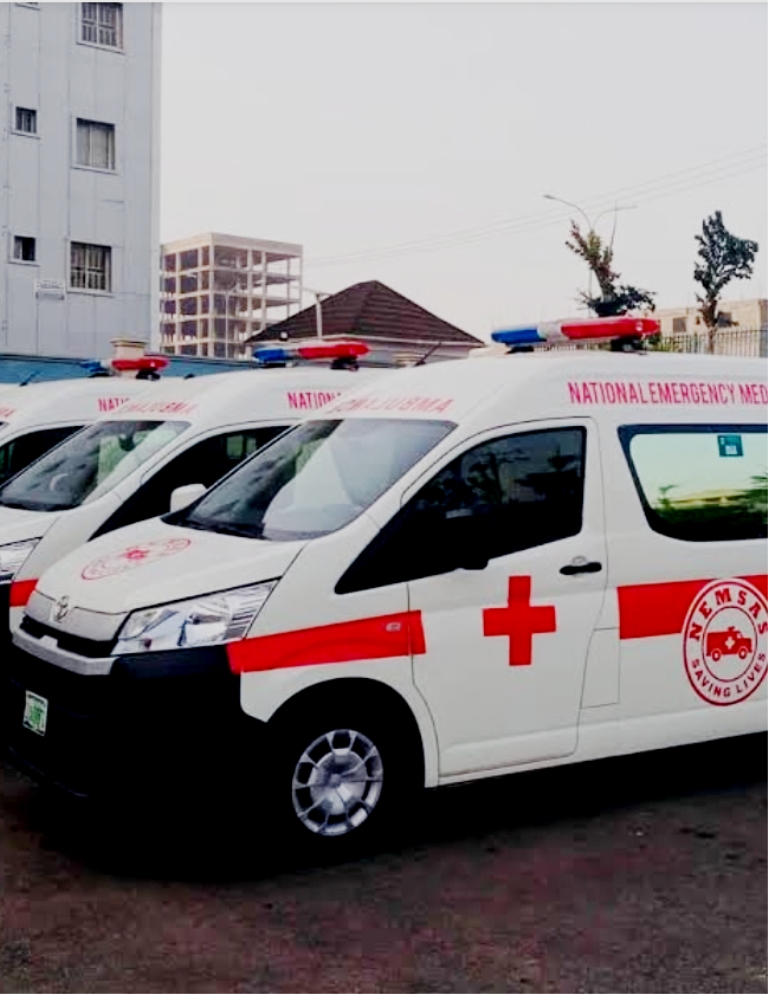
- Deploying ambulances and mobile health units to remote areas
- Training first responders and community volunteers in basic life support techniques
- Developing centralized emergency hotlines for faster coordination during crises
- Establishing emergency medical services policies and protocols
6. Leveraging Technology for Better Outcomes
Digital innovation offers immense potential to revolutionize healthcare delivery. The NNEDC is embracing technology by:
- Introducing telemedicine platforms to connect patients in rural areas with specialists in urban centers
- Implementing electronic health records (EHRs) to streamline patient information management
- Using data analytics to track disease outbreaks, allocate resources efficiently, and evaluate program effectiveness
- Developing digital health policies and guidelines
7. Community Health and Development
- Promoting community-based healthcare initiatives and programs
- Supporting community health workers and volunteers
- Developing partnerships with community-based organizations and stakeholders
8. Healthcare Financing and Policy
- Developing and implementing healthcare financing models and policies
- Supporting healthcare insurance programs and initiatives
- Advocating for healthcare policy reforms and legislation
9. Partnerships and Collaborations
- Collaborating with stakeholders to advance healthcare in the Northwest
- Facilitating resource sharing and expertise exchange
- Supporting policy reforms and advocacy efforts
Key Initiatives
- Construction and equipping of health centers and clinics
- Mobile health clinics for remote and hard-to-reach areas
- Maternal and child health programs
- Disease prevention and health education campaigns
- Training and deployment of healthcare workers
- Emergency medical services and ambulance provision
Infrastructural Development


Infrastructure is the backbone of any thriving society, and its importance cannot be overstated. For Northwest Nigeria—a region rich in culture, resources, and untapped potential—infrastructural development is a critical driver of growth, connectivity, and prosperity. Recognizing this, the Northern Nigeria Economic Development Commission (NNEDC) has made infrastructural development one of its key focus areas. Through strategic investments, innovative projects, and community-driven initiatives, the NNEDC is committed to transforming the region’s infrastructure landscape across Jigawa, Kaduna, Kano, Katsina, Kebbi, Sokoto, and Zamfara states.
By addressing gaps in transportation, energy, water supply, and digital connectivity, the NNEDC aims to create an enabling environment where businesses can thrive, communities can prosper, and individuals can lead better lives.
Modern infrastructure—one road, one power line, and one digital connection at a time. Together, we can build a legacy of stronger, smarter, and more resilient communities.
Why Infrastructural Development Matters in Northern Nigeria
The Northern region faces significant infrastructural challenges that hinder economic growth and quality of life. Poor road networks isolate rural communities, unreliable electricity stifles industrial activity, inadequate water supply compromises health, and limited internet access restricts educational and business opportunities. These deficiencies not only impede progress but also exacerbate poverty and inequality.
To overcome these barriers, the NNEDC is implementing comprehensive strategies to upgrade and expand infrastructure, ensuring that every corner of the Northwest is connected, empowered, and equipped for sustainable development. By prioritizing infrastructure, the commission seeks to unlock the region’s full potential and position it as a hub of innovation and opportunity.
Connect communities and markets.
Empower households and businesses.
Build a future where no one is left behind.
When roads are smooth, electricity flows reliably, and internet access is widespread, communities flourish, economies grow, and dreams become reality.
Key Focus Areas in Infrastructural Development
1. Transportation Networks
Efficient transportation is vital for economic integration and mobility. The NNEDC is investing in:
Rehabilitating and expanding federal and state roads to improve connectivity between cities and rural areas.
Constructing bridges and bypasses to ease congestion and enhance safety.
Supporting rail projects to facilitate the movement of goods and people across the region.
2. Energy and Power Supply
Access to reliable electricity is essential for households, businesses, and industries. The NNEDC is working to:
Expand grid connections to underserved communities.
Promote renewable energy solutions such as solar power plants and mini-grids.
Partner with private sector players to boost energy generation and distribution capacity.
3. Water Supply and Sanitation
Clean water and proper sanitation are fundamental to public health and well-being. The NNEDC is focusing on:
Drilling boreholes and constructing dams to provide clean water to rural and urban areas.
Upgrading water treatment facilities to ensure safe drinking water.
Implementing sanitation programs to reduce open defecation and prevent waterborne diseases.
4. Digital Infrastructure
In today’s digital age, connectivity is a prerequisite for progress. The NNEDC is bridging the digital divide by:
Expanding broadband internet coverage to remote areas.
Establishing tech hubs and innovation centers to foster entrepreneurship and skill development.
Partnering with telecom providers to improve network reliability and affordability.
5. Urban and Rural Infrastructure
Balancing urban and rural development is crucial for inclusive growth. The NNEDC is addressing this through:
Building and upgrading markets, schools, and healthcare facilities in rural areas.
Developing recreational parks, sports facilities, and public spaces in urban centers.
Ensuring equitable distribution of resources to avoid neglecting marginalized communities.
6. Climate-Resilient Infrastructure
Climate change poses significant risks to infrastructure, particularly in flood-prone and arid regions. The NNEDC is adopting climate-resilient practices by:
Designing flood-resistant roads, bridges, and drainage systems.
Promoting eco-friendly building materials and techniques.
Key Initiatives
- Rural road network expansion connecting remote communities
- Bridge construction and rehabilitation for year-round access
- Urban road improvement and traffic management
- Drainage systems and flood prevention infrastructure
- Road safety infrastructure including signage and lighting
Human Capital Development
Empowering People, Transforming Futures: Human Capital Development in Northern Nigeria by NNEDC
At the heart of every thriving society lies its people—their skills, knowledge, creativity, and resilience. Recognizing this, the North Nigeria Economic Development Commission (NNEDC) has made Human Capital Development one of its key focus areas. The Northern Region are home to millions of talented individuals with untapped potential. By investing in education, skills development, health, and empowerment programs, the NNEDC is committed to unlocking this potential and building a workforce that can drive sustainable growth and prosperity for Northwest Nigeria.
Human capital development is not just about training individuals; it’s about creating opportunities for people to thrive, innovate, and contribute meaningfully to their communities and the broader economy.
Transforming Northern Nigeria into a hub of talent, innovation, and opportunity—one individual, one family, and one community at a time.
Why Human Capital Development Matters in Northern Nigeria
The Northwest region faces significant challenges in human capital development, including high illiteracy rates, limited access to quality education and healthcare, unemployment, and a lack of technical and vocational skills. These gaps hinder economic progress, perpetuate poverty, and limit the region’s ability to compete in an increasingly globalized world.
To address these issues, the NNEDC is implementing targeted initiatives aimed at equipping individuals with the tools they need to succeed. By focusing on education, health, and skills development, the commission seeks to build a resilient, skilled, and empowered population capable of driving transformative change across the Northern region.
Equip individuals with the skills and knowledge they need to succeed.
Create opportunities for all, regardless of gender, age, or background.
Build a future where every person can contribute to and benefit from the region’s growth.
When people are educated, healthy, and skilled, they can unlock their full potential.
Key Focus Areas in Human Capital Development
1. Education and Literacy
Education is the foundation of human capital development. The NNEDC is prioritizing:
Building and renovating schools to provide safe and conducive learning environments.
Offering scholarships and bursaries to students from disadvantaged backgrounds.
Promoting STEM (Science, Technology, Engineering, and Mathematics) education to prepare youth for future job markets.
Supporting adult literacy programs to reduce illiteracy rates among older generations.
2. Skills Development and Vocational Training
To bridge the gap between education and employment, the NNEDC is investing in:
Establishing vocational training centers that teach practical skills like carpentry, tailoring, welding, and ICT.
Partnering with private sector organizations to align training programs with industry needs.
Providing entrepreneurship training to equip individuals with the skills needed to start and grow their own businesses.
Focusing on digital literacy to prepare youth for careers in technology and innovation.
3. Health and Well-being
Healthy individuals are more productive, innovative, and capable of contributing to society. The NNEDC is working to:
Expand access to affordable healthcare services, particularly in rural areas.
Conduct awareness campaigns on preventive care, nutrition, and hygiene.
Address maternal and child health challenges to ensure healthier families and communities.
Combat malnutrition through feeding programs and nutritional education.
4. Youth Empowerment
With a youthful population, the Northwest holds immense potential for innovation and leadership. The NNEDC is engaging youth through:
Mentorship programs that connect young people with experienced professionals.
Sports and cultural events to channel energy positively and foster community spirit.
Leadership training programs to prepare youth for active roles in governance, business, and civil society.
Tech hubs and innovation labs to nurture creative ideas and entrepreneurial ventures.
5. Women and Girl Empowerment
Empowering women and girls is essential for achieving inclusive growth. The NNEDC is championing:
Programs that teach financial literacy, entrepreneurship, and leadership skills to women.
Advocacy campaigns to eliminate gender-based discrimination and violence.
Support for women-led cooperatives in agriculture, crafts, and other sectors.
Scholarships and mentorship programs to encourage girls to pursue education and careers in traditionally male-dominated fields.
6. Job Creation and Economic Opportunities
Unemployment remains a critical issue in the Northwest, particularly among youth. To tackle this, the NNEDC is:
Supporting startups and small businesses through grants, loans, and mentorship programs.
Promoting agribusiness and value-added industries to create jobs along agricultural value chains.
Encouraging partnerships between the public and private sectors to generate employment opportunities.
Key Initiatives
- Establishment of vocational training centers across regions
- Apprenticeship and mentorship programs with local businesses
- Entrepreneurship development and business skills workshops
- Digital skills and technology training for modern workforce
- Trade-specific certifications in carpentry, plumbing, electrical work
- Soft skills development and career counseling


Security

In a region as vibrant and culturally rich as Northern Nigeria, ensuring the security of life and property is not just a necessity—it’s a fundamental right. The seven states under the purview of the Northern Nigeria Economic Development Commission (NNEDC) are home to millions of people striving for peace, stability, and prosperity. However, challenges such as banditry, kidnapping, communal clashes, and other forms of insecurity have threatened the safety and well-being of residents. To address these pressing issues, the NNEDC has made security of life and property one of its key focus areas, implementing comprehensive strategies aimed at fostering peace, protecting communities, and restoring confidence in the region.
Why Security Matters in Northern Nigeria
The Northern region is blessed with abundant natural resources, fertile lands, and a youthful population eager to contribute to national development. Yet, insecurity remains a significant barrier to progress. Incidents of violence, theft, and vandalism disrupt livelihoods, discourage investment, and hinder socio-economic growth. For families, businesses, and local governments alike, the absence of security translates into fear, uncertainty, and stagnation.
Recognizing this reality, the NNEDC is committed to tackling insecurity head-on through proactive measures that prioritize human dignity, community resilience, and sustainable peace. By addressing the root causes of conflict and strengthening law enforcement mechanisms, the commission aims to create an environment where lives are protected, properties are secure, and opportunities abound.
Improving access to education and healthcare to reduce poverty and inequality.
Supporting agricultural development to alleviate hunger and economic hardship.
Encouraging inclusive governance practices that give citizens a voice in decision-making.
Key Focus Areas in Enhancing Security
1. Community Policing and Collaboration
One of the most effective ways to combat insecurity is by empowering local communities to take ownership of their safety. The NNEDC supports:
Training and equipping community vigilante groups to work alongside formal law enforcement agencies.
Facilitating dialogue between traditional rulers, youth leaders, and security personnel to foster trust and cooperation. Establishing neighborhood watch programs to monitor suspicious activities and report threats promptly.
2. Strengthening Law Enforcement
To enhance the capacity of security agencies operating in the Northwest, the NNEDC is investing in:
Providing modern equipment, vehicles, and communication tools to police units and paramilitary forces.
Conducting specialized training sessions on counter-terrorism, intelligence gathering, and crisis management.
Advocating for increased funding and manpower deployment to underserved areas.
3. Conflict Resolution and Peacebuilding
Many conflicts in the Northern Nigeria stem from disputes over land, water, or cultural differences. To mitigate these tensions, the NNEDC promotes:
Mediation workshops led by respected elders and civil society organizations.
Awareness campaigns on peaceful coexistence and tolerance among diverse ethnic and religious groups.
Rehabilitation programs for former combatants and victims of violence to reintegrate them into society.
4. Infrastructure for Safety
Secure infrastructure is vital for deterring crime and responding effectively to emergencies. The NWDC is working to:
Install CCTV cameras and lighting systems in public spaces, markets, and highways.
Construct checkpoints and patrol bases in high-risk zones.
Improve road networks to facilitate quicker responses by security teams during crises.
5. Empowering Youth Against Crime
Youth unemployment and disillusionment often drive young people toward criminal activities. To break this cycle, the NNEDC focuses on:
Offering vocational training and entrepreneurship programs to provide alternative livelihoods.
Organizing sports tournaments, mentorship schemes, and recreational activities to engage idle youth positively.
Partnering with NGOs and faith-based organizations to counsel and rehabilitate vulnerable individuals.
6. Addressing Root Causes of Insecurity
True security cannot be achieved without addressing underlying socioeconomic factors. The NNEDC addresses these root causes by:
Key Initiatives
- Community policing initiatives and neighborhood watch programs
- Security infrastructure development including stations and posts
- Emergency response systems and communication networks
- Youth crime prevention and rehabilitation programs
- Public safety awareness and education campaigns
Urban Development and Water Projects
The rapid urbanization of Nigeria’s Northwest region presents both opportunities and challenges. As cities expand and populations grow, the need for sustainable urban planning and affordable housing becomes increasingly critical. Recognizing this, the Northern Nigeria Economic Development Commission (NNEDC) has made urban and housing development one of its key focus areas. Through innovative strategies, infrastructure investments, and community-driven projects, the NNEDC is committed to creating livable, resilient, and inclusive urban environments across all the northern states.
Improving Access to Quality Education Promoting STEM Education Teacher Training and Capacity Building Scholarships and Vocational Training Digital Learning and E-Learning Platforms
Why Urban and Housing Development Matters in Northwest Nigeria
The Northern region is home to some of Nigeria’s fastest-growing cities, including Kano, Kaduna, and Sokoto. However, uncontrolled urbanization has led to overcrowded slums, inadequate housing, poor sanitation, and insufficient infrastructure. These issues not only compromise the quality of life for residents but also hinder economic growth and social cohesion.
To address these challenges, the NNEDC is spearheading initiatives aimed at transforming urban spaces into vibrant hubs of productivity while ensuring that every family has access to safe, affordable, and dignified housing. By prioritizing urban and housing development, the commission seeks to improve living standards, foster economic opportunities, and build sustainable communities for future generations.
The NNEDC understands that education is not just about building schools or distributing books—it’s about nurturing minds, unlocking potential, and laying the groundwork for long-term prosperity. But we cannot do it alone. We invite stakeholders—including government agencies, private organizations, philanthropists, and local communities—to partner with us in advancing education across the Northwest.
Key Focus Areas in Urban and Housing Development
1. Affordable Housing Projects
One of the most pressing needs in the Northwest is access to affordable housing. The NNEDC is addressing this through:
Constructing low-cost housing units tailored to the needs of low- and middle-income families.
Partnering with private developers and financial institutions to offer flexible mortgage options.
Utilizing locally sourced materials to reduce construction costs and promote environmental sustainability.
2. Urban Planning and Infrastructure
Well-planned cities are essential for fostering economic activity and enhancing quality of life. The NNEDC is investing in:
Developing master plans for major cities to guide orderly expansion and land use.
Upgrading road networks, drainage systems, and public transportation to ease congestion and improve connectivity.
Creating green spaces, parks, and recreational areas to enhance urban aesthetics and promote healthy lifestyles.
3. Slum Upgrading and Redevelopment
Many urban areas in the Northern Region suffers from sprawling informal settlements. To tackle this issue, the NNEDC is implementing:
Slum upgrading programs that provide basic amenities like clean water, electricity, and sanitation.
Redevelopment projects that replace unsafe structures with modern, durable housing.
Community engagement initiatives to ensure residents are actively involved in decision-making processes.
4. Promoting Smart and Sustainable Cities
As technology advances, smart city solutions offer new ways to optimize urban living. The NNEDC is embracing innovation by:
Installing solar-powered streetlights and renewable energy systems to reduce carbon footprints.
Implementing digital platforms for waste management, traffic control, and emergency response.
Encouraging eco-friendly building practices such as rainwater harvesting and energy-efficient designs.
5. Supporting Rural-Urban Migration Balance
Unchecked migration from rural to urban areas exacerbates pressure on existing infrastructure. To achieve a balanced approach, the NNEDC is:
Investing in rural development projects to create jobs and retain populations in their hometowns.
Promoting small-town growth as alternatives to overcrowded metropolitan centers.
Strengthening linkages between rural and urban economies to foster mutual prosperity.
6. Disaster Resilience and Climate Adaptation
Climate change poses significant risks to urban and housing infrastructure. The NNEDC is taking proactive steps to mitigate these threats by:
Designing flood-resistant housing and drainage systems to combat seasonal flooding.
Conducting risk assessments to identify vulnerable areas and implement protective measures.
Key Initiatives
- Affordable housing
- Controlled urbanization
- Community water management training and capacity building
- Promoting Smart and Sustainable Cities
- Water quality monitoring and testing programs
- Maintenance and sustainability support for urban housing
